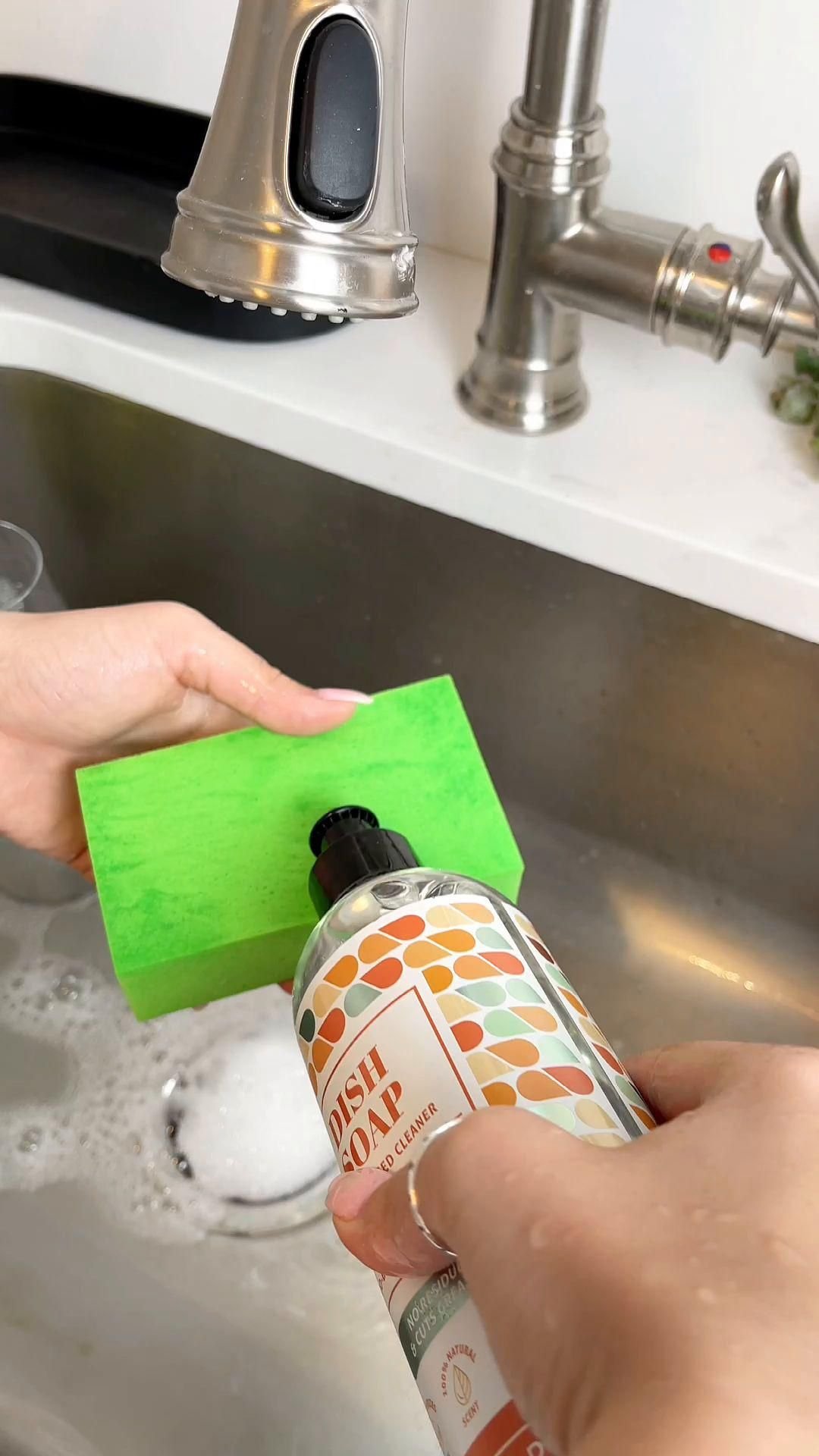
Let's talk dishwashing. For too long, the humble act of cleaning up after a meal has come with a hidden cost—to your skin, your home, and the planet. But what if there was a better way? Enter the benefits of plant-based dish soap, a rising star in eco-conscious cleaning that promises a powerful clean without the harsh compromises. This isn isn't just about suds; it's about making a mindful choice that ripples through your daily life, leaving your dishes sparkling, your hands soft, and your conscience clear.
Ready to dive deeper into why this switch might be the freshest change you make this year?
At a Glance: Why Make the Switch?
- Gentler on Skin: Say goodbye to dry, irritated hands with formulas free from harsh chemicals.
- Kind to the Planet: Biodegradable ingredients and sustainable packaging reduce your environmental footprint.
- Surprisingly Powerful: Cuts through grease and grime just as effectively as traditional soaps, often with concentrated formulas.
- Fewer Harmful Chemicals: Avoids parabens, phthalates, triclosan, SLS, and other common irritants.
- Peace of Mind: Many options are EWG VERIFIED and cruelty-free, ensuring higher safety and ethical standards.
- Natural Scents (or None at All): Enjoy essential oil aromas or choose fragrance-free for sensitive noses.
Beyond the Bubbles: What Exactly is Plant-Based Dish Soap?
When we talk about "plant-based" dish soap, we're referring to formulas that derive their cleaning power from naturally occurring, renewable botanical sources rather than petroleum-based chemicals. Think coconut oil, palm oil (sustainably sourced, of course), corn, and other plant extracts as the foundation for surfactants (the sudsing and cleaning agents).
Unlike their conventional counterparts, which often rely on synthetic fragrances, harsh preservatives, and artificial dyes, plant-based options typically prioritize ingredients that are biodegradable, non-toxic, and gentler on both human biology and aquatic ecosystems. It's a return to basics, harnessing nature's own chemistry to get your dishes squeaky clean.
The Gentle Touch: How Plant-Based Soaps Nurture Your Hands
If your hands feel like sandpaper after a session at the sink, you're not alone. Many conventional dish soaps contain potent degreasers and harsh chemicals that strip away not just grease from your plates, but also your skin's natural protective oils. This often leads to dryness, irritation, and even allergic reactions.
No More Dry, Irritated Skin
One of the most immediate and appreciated benefits of plant-based dish soap is its profound gentleness on your skin. Formulas designed with natural emollients and humectants work to clean without dehydrating. Imagine washing dishes without feeling the immediate need for hand lotion—that's the plant-based difference.
Brands like Ginger Lily Farms Concentrated Dish Soap specifically include aloe vera extract and glycerin, ingredients renowned for their moisturizing and skin-soothing properties. Similarly, Puracy Natural Liquid Dish Soap (Green Tea & Lime) and its refill counterpart, Puracy Natural Dish Soap Refill (Organic Lemongrass), are celebrated for combining cleaning prowess with hand-moisturizing benefits. This means you can say goodbye to the cracked, red hands that used to be an inevitable side effect of dish duty.
The Absence of Harsh Chemicals
A primary reason for skin sensitivity is the presence of common irritants and allergens found in traditional soaps. Plant-based formulations consciously avoid:
- SLS (Sodium Lauryl Sulfate) & SLES (Sodium Laureth Sulfate): These potent foaming agents can be very irritating and strip natural oils.
- Parabens & Phthalates: Often used as preservatives or fragrance carriers, these have been linked to potential endocrine disruption.
- DEA (Diethanolamine) & MEA (Monoethanolamine): Foaming agents and emulsifiers that can form harmful nitrosamines.
- Triclosan: An antibacterial agent that can disrupt thyroid hormones and contribute to antibiotic resistance.
- Bleach & Formaldehyde: Powerful disinfectants and preservatives that are harsh on skin and respiratory systems.
- Petroleum Solvents & Chlorine: Synthetic chemicals that are harsh on the environment and skin.
By excluding these ingredients, plant-based dish soaps, like ATTITUDE Dish Detergent which proudly states it's free from bleach, SLS, SLES, and formaldehyde, become a safer choice for everyone, especially those with sensitive skin or conditions like eczema. The peace of mind that comes with knowing you're not exposing your skin to these compounds is invaluable.
Beneficial Ingredients for Hand Protection
Instead of harsh chemicals, plant-based soaps often feature a symphony of beneficial ingredients. Look for products enriched with:
- Aloe Vera: Known for its healing, soothing, and moisturizing properties.
- Glycerin: A natural humectant that draws moisture into the skin, preventing dryness.
- Vitamin E: An antioxidant that can help protect skin cells from damage.
- Essential Oils: Provide natural fragrance while some, like lemon or tea tree, have additional cleaning or antimicrobial properties.
Better Life Dish Soap, for instance, highlights the inclusion of Vitamin E and Aloe to moisturize hands, eliminating the need for gloves for many users. This focus on skin nourishment truly elevates the dishwashing experience from a chore to a more pleasant, less damaging task.
A Greener Clean: Protecting Our Planet, One Wash at a Time
The impact of our daily choices extends far beyond our kitchens. Every drop of dish soap eventually makes its way into our waterways. This is where the environmental benefits of plant-based dish soap truly shine, offering a significant advantage over conventional products.
Biodegradability: Disappearing Without a Trace
The hallmark of eco-friendly cleaning is biodegradability. Plant-based ingredients, by their very nature, can break down into simpler, non-toxic substances when introduced to the environment. This means that when the suds go down your drain, they won't linger in rivers, lakes, and oceans, harming aquatic life or disrupting delicate ecosystems.
Products like Ginger Lily Farms Concentrated Dish Soap and both Puracy Natural Liquid Dish Soap and its refill versions explicitly state they are biodegradable, giving you confidence that your cleaning routine isn't leaving a lasting harmful legacy.
Reduced Chemical Runoff: Safeguarding Waterways
Traditional dish soaps often contain phosphates, synthetic surfactants, and other chemicals that act as pollutants. Phosphates, for example, can contribute to algal blooms in waterways, depleting oxygen and harming marine life. Synthetic fragrances and dyes can also be toxic to aquatic organisms.
By choosing plant-based options, you dramatically reduce the amount of chemical pollutants entering water treatment systems and ultimately, natural water bodies. This contributes to cleaner, healthier rivers and oceans for all.
Sustainable Packaging: Minimizing Plastic Waste
Beyond the ingredients, packaging plays a crucial role in a product's environmental footprint. Many plant-based dish soap brands are leading the charge in sustainable packaging innovations:
- Refill Options: Gallon-sized refills or concentrated pouches significantly cut down on single-use plastic bottles. Ginger Lily Farms and Better Life Dish Soap both offer gallon refills, while Puracy provides a substantial 48 fl oz refill pouch for their organic lemongrass scent.
- Paper-Based or Recyclable Materials: Innovative brands like Cleancult Dish Soap utilize refill packaging that uses 90% less plastic by opting for recyclable, paper-based materials. This forward-thinking approach tackles the pervasive problem of plastic pollution head-on.
- Post-Consumer Recycled Content: Some brands go a step further by using bottles made from recycled plastics, completing the circular economy loop.
Opting for products with these packaging solutions is an impactful way to reduce your household's plastic waste and support companies committed to a healthier planet.
Cruelty-Free Aspects: A Compassionate Clean
For many conscious consumers, the ethical treatment of animals is paramount. Several plant-based dish soap brands proudly carry the Leaping Bunny certification or similar cruelty-free labels, indicating that neither the product nor its ingredients were tested on animals. Puracy Natural Liquid Dish Soap and its refills are examples of brands that commit to being cruelty-free. This ensures that your sparkling dishes don't come at the cost of animal welfare.
Surprisingly Powerful: Tackling Grease with Nature's Best
There's a common misconception that "natural" or "plant-based" automatically equates to "less effective." This couldn't be further from the truth when it comes to modern plant-based dish soaps. Advances in green chemistry have enabled formulators to create products that are exceptionally powerful, even against the toughest kitchen messes.
Dispelling the Myth of Weak Natural Cleaners
The idea that only harsh chemicals can cut through grease is outdated. Plant-derived surfactants are incredibly effective at breaking down fats and oils, emulsifying them so they can be easily rinsed away. These natural compounds are often concentrated, meaning a little goes a long way.
Many users, accustomed to traditional soaps, might initially find that plant-based options produce fewer, lighter suds. This is not an indicator of lesser cleaning power; rather, it often signifies the absence of harsh, foam-boosting chemicals like SLS. The focus shifts from voluminous bubbles to efficient grease breakdown and spotless rinsing. For example, some users of Puracy Natural Liquid Dish Soap may need to adjust to using less soap for optimal suds, and the Organic Lemongrass Puracy Refill notes it may produce fewer bubbles. The key is how clean your dishes are, not how high your suds pile.
Concentrated Formulas: Less is More
Many leading plant-based dish soaps are concentrated, offering maximum cleaning power in a smaller amount of product. Ginger Lily Farms Concentrated Dish Soap is a prime example, boasting "maximum grease cleaning" for all types of cookware. This concentration not only makes the product more efficient but also reduces the amount of packaging and transportation fuel needed, further lessening its environmental footprint.
Effective on Stubborn Food Residues
From baked-on casserole remnants to sticky sauces, plant-based dish soaps are formulated to tackle a wide range of food residues. Their natural enzymes and surfactants work diligently to lift and dissolve stubborn grime, leaving dishes spotless and residue-free. ATTITUDE Dish Detergent, for instance, is specifically designed to remove "stubborn grease and food residues."
The advanced plant-based suds in products like the Puracy Natural Dish Soap Refill (Organic Lemongrass) provide deep cleaning without leaving behind unwanted film. Their water-sheeting, clean-rinsing design minimizes residue and ensures your dishes come out gleaming every time.
Spotlight on Excellence: Our Top Plant-Based Dish Soap Picks
Choosing the right plant-based dish soap can feel overwhelming with so many options available. Here's a closer look at some standout products that exemplify the best of what natural cleaning has to offer:
- Ginger Lily Farms Concentrated Dish Soap: This powerhouse is a go-to for heavy-duty cleaning, promising "maximum grease cleaning for dishes, pots, and pans." But its strength doesn't come at the expense of your skin; it contains aloe vera extract and glycerin to keep hands soft. It's biodegradable and meticulously formulated without parabens, phthalates, MEA, DEA, dyes, and triclosan. If you prefer no scent, a fragrance-free option is available, and its gallon refill size makes it a sustainable choice for high-volume users.
- Puracy Natural Liquid Dish Soap (Green Tea & Lime): A favorite for many, Puracy skillfully blends mineral-based and plant-powered ingredients. It cleans effectively, even in hard water, leaving dishes spotless while actively moisturizing your hands. The refreshing green tea and lime scent adds a pleasant touch to your dishwashing routine. It's biodegradable and cruelty-free, typically found in a convenient 16 fl oz bottle, often in multi-packs. Just remember, a little goes a long way, and you may need to adjust to using less soap for optimal sudsing.
- ATTITUDE Dish Detergent: When ingredient safety is your top priority, ATTITUDE is an excellent choice. It proudly carries the EWG VERIFIED certification, meaning it meets the Environmental Working Group's strict standards for health and safety. Made with 97% naturally derived ingredients, it tackles stubborn grease and food residues while remaining exceptionally gentle on sensitive hands. You won't find bleach, SLS, SLES, or formaldehyde in its formula. It features a natural citrus zest scent for a fresh kitchen aroma.
- Cleancult Dish Soap: Cleancult stands out not only for its effective plant-based formula—containing aloe and essential oils and free from harsh chemicals—but also for its revolutionary approach to packaging. It's gentle on both skin and the environment. Their commitment to sustainability is evident in their refill packaging, which uses 90% less plastic through recyclable, paper-based materials. The lemon verbena scent adds a bright, invigorating note to your cleaning.
- Puracy Natural Dish Soap Refill (Organic Lemongrass): For those already loving Puracy or seeking a larger, eco-friendly option, this 48 fl oz refill is a fantastic choice. It boasts 99.41% "super plant ingredients" that deliver deep cleaning via advanced plant-based suds, entirely free from SLS or other harsh chemicals. It's family-safe, non-drying, and gentle enough that you won't need gloves. Its water-sheeting, clean-rinsing design minimizes residue and helps maintain skin softness. The organic lemongrass scent is invigorating and natural. Like its smaller counterpart, it's biodegradable and cruelty-free, though expect fewer bubbles than traditional soaps. If you're comparing other eco-friendly options, you might Explore Seventh Generation dish detergent for additional perspectives on sustainable cleaning.
- Better Life Dish Soap: Designed specifically with sensitive skin in mind, Better Life is a top contender for those prone to irritation. It's enriched with Vitamin E and Aloe to moisturize hands, making gloves unnecessary for most users. This unscented formula is perfect for individuals with fragrance sensitivities. Despite its gentleness, it effectively tackles tough grease and grime. It's free from a laundry list of harsh chemicals, including petroleum solvents, chlorine, and parabens. While it's excellent for handwashing, note that it's not suitable for automatic dishwashers. It's available in a convenient one-gallon refill size.
Your Smart Shopping Guide: Choosing the Best Plant-Based Dish Soap
Navigating the world of plant-based cleaning can be a breeze if you know what to look for. Use this guide to help you find the perfect dish soap that meets your specific needs and values.
Effectiveness: Cutting Through the Grease
Don't compromise on cleaning power. Even plant-based soaps can be incredibly effective.
- Concentrated Formulas: These often offer superior degreasing power. Brands will often highlight "concentrated" or "ultra-concentrated" on their labels.
- Reviews: Pay attention to user reviews regarding how well the soap cuts through stubborn grease and dried-on food residues. Look for feedback on performance with different types of cookware and food messes.
Ingredient Purity & Skin Health: What's in it (and What's Not)
This is crucial for protecting your hands and ensuring a healthier home environment.
- What to Avoid: Steer clear of common irritants like SLS, SLES, parabens, phthalates, DEA, triclosan, synthetic fragrances, bleach, formaldehyde, petroleum solvents, and chlorine. A quick scan of the ingredient list can reveal these.
- What to Look For: Prioritize moisturizing and soothing ingredients such as aloe vera, glycerin, and Vitamin E. Essential oils can also add natural benefits.
- Hypoallergenic/Dermatologist-Tested: If you have sensitive skin, eczema, or allergies, look for these specific labels for an extra layer of assurance.
- Fragrance-Free Options: For very sensitive individuals or those who prefer no added scents, many brands offer unscented varieties, like Better Life Dish Soap.
Eco-Friendly Packaging: Reducing Your Footprint
Your cleaning choices should extend to the lifecycle of the product packaging.
- Refill Options: This is perhaps the easiest way to significantly reduce plastic waste. Look for large gallon-sized refills or concentrated pouches.
- Recyclable Materials: Check for bottles made from post-consumer recycled (PCR) plastic or innovative paper-based alternatives, like Cleancult.
- Minimal Packaging: Less material used means less waste generated.
Scent Preferences: A Whiff of Nature
Plant-based soaps offer a refreshing change from artificial chemical smells.
- Natural Essential Oils: Common scents include lemon, citrus zest, lavender, and lemongrass. These often have aromatherapy benefits and are derived from natural sources.
- Fragrance-Free: If you have sensitivities to scents, even natural ones, or simply prefer no fragrance, many excellent unscented options are available.
Trustworthy Certifications: Beyond the Buzzwords
Certifications provide an independent verification of a product's claims.
- EWG VERIFIED: Products with this label meet strict standards for ingredient transparency and health, avoiding chemicals of concern. ATTITUDE Dish Detergent is a notable example.
- USDA Organic: If applicable to a specific ingredient, this certifies organic farming practices.
- EcoCert/Green Seal: These certifications indicate environmental performance and sustainable manufacturing.
- Leaping Bunny: Guarantees that the product and its ingredients are cruelty-free and not tested on animals. Puracy products carry this.
Overall Environmental Impact: A Holistic View
Consider the broader ecological footprint of the product.
- Biodegradable Ingredients: Ensures the soap breaks down harmlessly in the environment.
- Sustainable Sourcing: Look for brands that are transparent about where their ingredients come from and their commitment to sustainable practices (e.g., responsibly sourced palm oil).
- Water-Saving Formulas: Some soaps are designed to rinse clean quickly, potentially reducing water usage during dishwashing.
Common Questions & Cleansed Confusion
Making the switch to plant-based dish soap often comes with a few lingering questions. Let's clear up some common misconceptions.
"Do plant-based soaps really clean as well as conventional ones?"
Absolutely! This is one of the most common myths. Modern plant-based dish soaps are formulated with advanced, naturally derived surfactants that are incredibly effective at breaking down grease and food particles. As highlighted by products like Ginger Lily Farms Concentrated Dish Soap, they are specifically designed for maximum grease cleaning. The key is to look for concentrated formulas and read reviews that speak to their degreasing power.
"Will they produce enough suds?"
Many people associate a lot of suds with effective cleaning. However, the volume of suds doesn't directly correlate with cleaning power. Harsh chemicals like SLS and SLES are often added to traditional soaps primarily to create abundant foam. Plant-based soaps, which typically avoid these, might produce lighter, gentler suds. This is perfectly normal and doesn't mean they're not working. For example, Puracy products note that users may need to adjust to fewer bubbles. Focus on the cleanliness of your dishes, not just the suds level.
"Are 'natural' claims always true? How can I trust them?"
The term "natural" can sometimes be loosely used in marketing. This is why certifications are so important. Labels like EWG VERIFIED, Leaping Bunny, or EcoCert provide independent, third-party verification that a product meets stringent standards for ingredient safety, environmental impact, or ethical practices. When you see these certifications, you can trust that the claims are backed by rigorous assessment, helping you cut through greenwashing.
"Can I use plant-based dish soap in an automatic dishwasher?"
Generally, no. Dish soaps designed for handwashing produce a lot of suds, which can overflow an automatic dishwasher and potentially damage it. There are specific plant-based dishwasher detergents formulated for automatic machines, but hand dish soaps, even plant-based ones, are not interchangeable. Better Life Dish Soap explicitly states it's "Not suitable for automatic dishwashers," which is typical for liquid hand dish soaps. Always check the product label for clarity.
Making the Switch: A Small Change with Big Impact
Transitioning to plant-based dish soap is more than just choosing a different bottle for your sink; it's an investment in your personal well-being, the health of your family, and the longevity of our planet. You're opting for a product that cleans effectively without stripping your skin of moisture, without introducing harsh chemicals into your home, and without leaving a toxic footprint in our waterways.
This small, daily swap empowers you to make a tangible difference. From the peace of mind that comes with using safer ingredients to the satisfaction of reducing plastic waste through innovative refill systems, the benefits of plant-based dish soap are clear and compelling. So, the next time your current bottle runs out, consider making the switch. Your hands, your home, and the Earth will thank you.