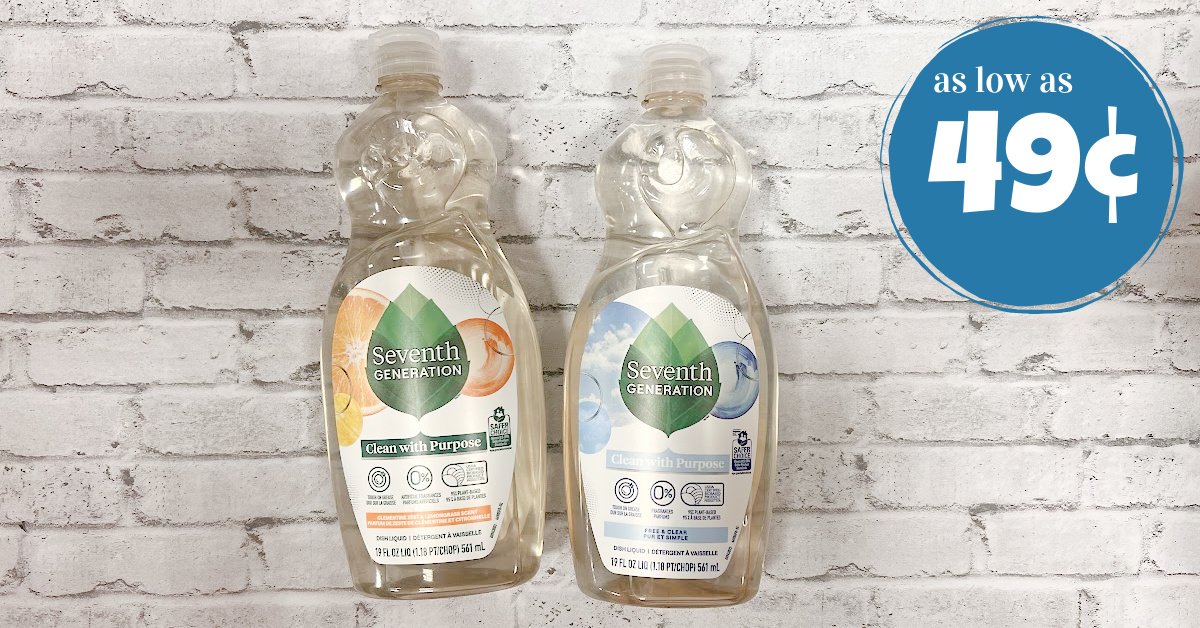
When it comes to keeping your kitchen clean and your conscience clear, navigating the world of dish soaps can feel surprisingly complex. If you're searching for "Seventh Generation Dish Soap Reviews & Comparisons" because you care about what goes down your drain as much as what cleans your dishes, you've landed in the right spot. We’re diving deep into Seventh Generation's offerings, stacking them against competitors, and uncovering what truly makes them stand out in the eco-friendly cleaning aisle.
At a Glance: Seventh Generation Dish Soap Essentials
- Eco-Credentials: A leader in plant-based cleaning for over 30 years, committed to avoiding harsh chemicals.
- Certified Trust: Holds EPA Safer Choice, USDA Certified Biobased (95%), B Corp, and Leaping Bunny certifications.
- Key Products: Popular "Free & Clear" (fragrance-free, for sensitive skin/baby bottles) and several natural essential oil-scented options.
- Grease Power: Performs comparably to traditional dish soaps like Dawn on everyday grease, with a significant environmental advantage.
- Ingredient Transparency: Clearly lists plant-derived ingredients and what they exclude (triclosan, phthalates, synthetic fragrances).
- Septic Safe: Fully biodegradable and designed to support healthy septic systems.
- Refill & Sustain: Offers refill pouches and uses post-consumer recycled plastic, emphasizing waste reduction.
Why Seventh Generation? The Eco-Conscious Clean You Can Trust
For over three decades, Seventh Generation, a Vermont-based company, has been on a mission: to create effective cleaning products that don't compromise your health or the planet's. This isn't just marketing fluff; it's baked into their philosophy, driving their use of plant-based ingredients and rigorous certification standards. They're not just offering an alternative; they're offering a better way to clean.
You see, traditional dish soaps often contain petroleum-based ingredients, synthetic fragrances, and harsh chemicals that can linger in your home and waterways. Seventh Generation consciously steers clear of these, focusing instead on renewable, plant-derived alternatives.
The Certifications That Build Confidence
When you pick up a bottle of Seventh Generation dish soap, you're not just getting a cleaner; you're getting a product backed by some of the most respected third-party certifications in the industry. These aren't just badges; they represent a commitment to transparency, safety, and sustainability.
- EPA Safer Choice certification: This stamp of approval means every single ingredient in their formula has met strict human and environmental health standards. It's like having an independent panel verify your soap is safer for your family and the planet.
- USDA Certified Biobased Product status: This certifies that the product is 95% plant-based, a figure independently verified. You’re truly washing with ingredients derived from nature, not petroleum.
- B Corporation Certification: Seventh Generation is evaluated for its overall social and environmental performance, accountability, and transparency. This means they're using business as a force for good, not just profit.
- Leaping Bunny Certified: For those who prioritize animal welfare, this certification confirms their products are cruelty-free and never tested on animals.
What You Won't Find in a Seventh Generation Bottle
Equally important to what's inside is what's not. Seventh Generation proudly excludes a host of common, yet often controversial, ingredients from their dish soap formulas:
- Triclosan
- Phosphates
- Phthalates
- Parabens
- Synthetic fragrances
- Dyes
- Animal-derived ingredients
This commitment to "free from" ensures a cleaner that’s designed to be gentler on your hands, your dishes, and the world around you.
Diving Into the Suds: Seventh Generation's Dish Soap Lineup (2026)
Seventh Generation offers a focused range of dish soaps, each formulated with plant-based power and distinct user experiences in mind. While the core cleaning performance remains consistent, the nuances cater to different preferences, from scent sensitivities to aromatic enjoyment.
The Gentle Giant: Seventh Generation Free & Clear
If you have sensitive skin, allergies, or are simply wary of added fragrances and dyes, the Free & Clear variant is your go-to. This formula is completely fragrance-free and contains zero dyes, artificial scents, phosphates, or triclosan. It relies on plant-derived cleaning agents like sodium lauryl sulfate and lauramine oxide to tackle grease effectively.
Many parents praise Free & Clear for hand-washing baby bottles and dishes, appreciating its powerful grease-cutting without the worry of irritating residues or strong smells. It’s also often cited as the most effective variant in hard water due to its pure formulation.
The brand makes it easy to embrace sustainability with value-driven options like 50 oz refill pouches (available in packs of 3), significantly reducing plastic waste over time.
A Whiff of Nature: Seventh Generation's Scented Selections
For those who enjoy a subtle, natural aroma while they clean, Seventh Generation offers a delightful array of essential oil-scented dish soaps. These aren't overpowering synthetic perfumes but rather uplifting blends designed to enhance the chore.
- Clementine Zest & Lemongrass: This variant features natural citrus oils that not only provide a cheerful, invigorating scent but also offer a natural boost to grease-cutting power. It’s perfect for tackling greasy pots and pans after a big meal.
- Lavender Flower & Mint: If you prefer a more calming experience, this blend delivers a spa-like aroma. It can transform a mundane chore into a moment of tranquility, making dishwashing surprisingly enjoyable.
- Fresh Lime & Ginger: For an energizing kick, this blend offers a zesty and slightly spicy aroma. It’s a great choice for refreshing morning cleanup or invigorating your senses after a long day.
The Science Behind the Suds: Key Ingredients & What They Mean
Understanding what's in your dish soap helps you make informed choices. Seventh Generation prides itself on ingredient transparency, even detailing the specific role of each component. Let's break down the typical ingredients found in their unscented formula:
- Water: The primary carrier for all other ingredients.
- Sodium lauryl sulfate (plant-derived cleaning agent): Often abbreviated as SLS, this is a powerful surfactant (a compound that reduces the surface tension of a liquid, allowing it to spread more easily). In Seventh Generation products, it's derived from plants like coconuts, creating suds and breaking down grease. While sometimes noted for potential skin or eye irritation in high concentrations or for very sensitive individuals, its plant-derived nature and careful formulation within certified products typically mitigate these concerns for general use.
- Lauramine oxide (plant-based surfactant): Another workhorse surfactant, derived from coconut, that helps lift and suspend grease and food particles, ensuring a thorough clean.
- Glycerin (plant-derived foam stabilizer): This plant-based humectant helps stabilize the foam and provides a gentle feel, contributing to the soap's mildness on hands.
- Decyl glucoside (plant-derived surfactant): A mild, non-ionic surfactant also derived from plants, it works alongside SLS and lauramine oxide to boost cleaning power and foam.
- Magnesium chloride (mineral-based viscosity modifier): A natural mineral that helps adjust the thickness and consistency of the soap, ensuring it’s easy to pour and use.
- Citric acid (plant-derived pH adjuster): Derived from citrus fruits, this ingredient helps balance the soap's pH level, making it tough on grease but gentle on skin and the environment.
- Benzisothiazolinone (synthetic preservative): A synthetic preservative used in small amounts to prevent the growth of bacteria, yeasts, and molds, ensuring product safety and shelf life. While synthetic, its use is carefully regulated within EPA Safer Choice guidelines.
- Methylisothiazolinone (synthetic preservative): Another synthetic preservative that often works in tandem with Benzisothiazolinone for broad-spectrum protection. These preservatives, while necessary for product stability and safety, are sometimes flagged on ingredient rating sites (like EWG) due to aquatic toxicity or potential for skin sensitization in very sensitive individuals. However, their inclusion within EPA Safer Choice products means they meet strict safety thresholds for both human and environmental health.
Scented versions simply add natural essential oils to this base formula, avoiding synthetic fragrances entirely. This level of detail helps you understand the balance between effectiveness, safety, and natural derivation that Seventh Generation aims for.
Beyond the Bottle: Seventh Generation's Environmental Promise
Choosing Seventh Generation isn't just about clean dishes; it's about supporting a company with a deep commitment to environmental stewardship. Their practices extend far beyond the ingredients list.
They actively choose plant-based ingredients sourced from renewable resources like coconuts and corn, rather than relying on petroleum-based chemicals that contribute to fossil fuel dependency. This alone significantly reduces the environmental footprint of your dishwashing routine.
Furthermore, all of Seventh Generation's ingredients are designed to biodegrade quickly, typically within 28 days according to stringent OECD testing standards. This means they break down naturally without accumulating in waterways, protecting aquatic life and ecosystems. Their formulas are also carefully balanced to maintain a pH that’s tough on grease but gentle on aquatic environments, avoiding the extreme alkalinity found in some conventional soaps.
Beyond ingredients, their manufacturing practices are noteworthy. Seventh Generation products are made in Vermont, with a continuous effort to use renewable energy sources where possible. The company is committed to becoming carbon neutral and transparently publishes annual sustainability reports, inviting scrutiny and fostering accountability.
Even their packaging reflects this dedication. They prioritize the use of post-consumer recycled plastic, explore concentrated formulas to reduce overall plastic, and champion refill options like their large pouches. These initiatives collectively make a tangible difference, reducing petroleum consumption and preventing harmful chemical accumulation in our environment. When you opt for Seventh Generation, you’re making a choice that reduces your environmental impact by an estimated 50-60% compared to typical dish soaps.
For those eager to dive deeper into their full range of cleaning solutions, you can Learn more about Seventh Generation dish detergent and explore how their philosophy extends to every corner of your home.
Seventh Generation vs. The Competition: A Head-to-Head Showdown
When you're looking for the best eco-friendly dish soap, how does Seventh Generation stack up against the competition? It���s important to compare not just price and cleaning power, but also ingredient philosophy, certifications, and environmental impact.
Seventh Generation vs. Traditional Soaps (e.g., Dawn)
Many people wonder if plant-based soaps can really compete with giants like Dawn when it comes to grease cutting.
- Grease Cutting: Seventh Generation performs comparably to Dawn on everyday grease—think spaghetti sauce, baked-on cheese, or general cooking oils. Dawn may have a slight edge on industrial-level grease or extremely heavy-duty residues, but for daily household needs, Seventh Generation holds its own.
- Ingredients: This is where the major difference lies. Seventh Generation uses plant-derived surfactants and avoids synthetic fragrances, dyes, and petroleum-based ingredients. Dawn, while effective, often contains petroleum-based ingredients, stronger synthetic fragrances, and dyes that Seventh Generation consciously excludes.
- Environmental Impact: Seventh Generation significantly outperforms traditional soaps environmentally due to its plant-based, rapidly biodegradable ingredients and comprehensive sustainability practices, making it a far better choice for protecting waterways and reducing reliance on fossil fuels.
Seventh Generation vs. Mrs. Meyer’s Clean Day
Both brands offer plant-derived cleaning, but their approach to scent and ingredients differs significantly.
- Scent Philosophy: Seventh Generation focuses on fragrance-free options or pure essential oils for its scented lines, aiming for natural, often single-note aromas. Mrs. Meyer’s is known for its complex, garden-inspired blends. While they use "essential oils & other natural fragrances," their blends often incorporate some synthetic fragrance components to achieve those signature scents.
- Ingredient Focus: Seventh Generation emphasizes its rigorous certifications (EPA Safer Choice, USDA Biobased) and explicit exclusion list. Mrs. Meyer’s has a cleaner ingredient profile than many traditional brands, but its commitment to comprehensive third-party certifications isn't as prominently highlighted as Seventh Generation's.
- Price & Value: Both are similarly priced for standard bottles. However, Seventh Generation's large refill options often provide better long-term value and significantly reduce plastic waste compared to Mrs. Meyer's, which offers fewer refill choices.
Seventh Generation vs. Method
Method and Seventh Generation appeal to different aesthetics and ingredient philosophies.
- Design & Texture: Method often emphasizes sleek, modern design in its packaging and has a slightly thicker, gel-like formula. Seventh Generation prioritizes clear ingredient purity and performance, with a more straightforward bottle design and a standard liquid consistency.
- Ingredient Focus: Both use plant-derived ingredients. Method’s formulas are effective and visually appealing, while Seventh Generation often highlights its specific certifications (like USDA Biobased percentage) and explicit exclusions more directly, appealing to those seeking maximum transparency and strict eco-standards.
Seventh Generation vs. Ecover
Ecover is a long-standing pioneer in eco-friendly cleaning, often chosen by dedicated environmentalists.
- Environmental Credentials: Ecover, a Belgian company with over 35 years in the market, often boasts hardcore environmental credentials, including a TRUE Zero Waste Platinum certified factory. Their focus is deeply rooted in comprehensive ecological impact.
- Aesthetics: While Method aims for sleek, Ecover's brand often leans into its pure environmental focus, sometimes with a more utilitarian aesthetic. Seventh Generation strikes a balance between approachable design and robust environmental claims.
- History & Global Reach: Ecover has a strong international presence and a long history of innovation in green chemistry.
Seventh Generation vs. ECOS Dish Soap
These two brands are often direct competitors in the eco-friendly space, and a closer look at their profiles reveals some interesting distinctions.
- Cost: Both typically retail around $0.16/fl oz, making them competitive. However, Seventh Generation often provides larger refill sizes, which can offer better long-term savings and less plastic waste.
- Bio-Based Claims: Seventh Generation proudly holds a USDA Certified Biobased status of 95% for its products, independently verified. ECOS lists 6 out of 8 ingredients as plant-based but doesn't explicitly state a USDA Biobased percentage on their main products, making Seventh Generation’s claim more quantifiable.
- Biodegradability: Both brands commit to biodegradable formulas, ensuring their ingredients break down naturally in the environment.
- Certifications: Both are EPA Safer Choice and Leaping Bunny certified (cruelty-free). Seventh Generation also adds its USDA Biobased certification, a key differentiator.
- Effectiveness: In independent comparisons, Seventh Generation has been noted for being more effective on grease and producing better suds than ECOS. While ECOS is effective, some users find they need to use more product to achieve similar results.
- Ingredient Deep Dive (Unscented Comparisons):
- Seventh Generation Unscented: Uses Sodium lauryl sulfate (plant-derived cleaning agent, noted by some as a skin/eye irritant and aquatic toxicant, but within certified safety limits) and Isothiazolinones (synthetic preservatives, which EWG rates with a 'D' due to aquatic toxicity and potential skin sensitivity, though again, their use is permitted under EPA Safer Choice standards).
- ECOS Unscented: Lists Sodium Coco-Sulfate, Cocamidopropylamine Oxide, Lauramine Oxide, and Coco Betaine as plant-derived surfactants. EWG rates all 5 of these surfactants with a 'C' for various concerns (e.g., irritation, aquatic toxicity). Their scented versions also list "natural fragrance" which is often proprietary and less transparent than explicit essential oils.
This detailed comparison highlights that while both ECOS and Seventh Generation are strong eco-friendly choices, Seventh Generation often offers more quantifiable bio-based claims and specific effectiveness benefits, even as both navigate the complexities of balancing plant-based ingredients with necessary preservatives for safety and shelf life.
Your Burning Questions, Answered
Navigating the world of eco-friendly cleaning often leads to specific questions. Here are common queries about Seventh Generation dish soap, addressed directly:
How does its grease cutting compare to Dawn?
Seventh Generation dish soap performs comparably to Dawn on everyday grease, tackling common food residues, oils, and general grime with plant-based power. While Dawn might have a slight edge on extremely tough, industrial-level grease, for the vast majority of household washing, Seventh Generation is highly effective. The key difference is that Seventh Generation achieves this without harsh chemicals or petroleum-based ingredients, offering a significant environmental benefit.
Is it safe for septic systems?
Absolutely. Seventh Generation dish soap is completely septic-safe. Its biodegradable formula is designed to break down quickly and naturally, which supports the healthy function of your septic system rather than harming it. You can wash your dishes with peace of mind, knowing your choice won't disrupt the delicate balance of your septic tank.
Can I use Seventh Generation hand dish soap in my automatic dishwasher?
No, Seventh Generation hand dish soap is specifically formulated for hand washing and should not be used in automatic dishwashers. Using it in a dishwasher will likely result in excessive suds, which can cause flooding and damage to your appliance. Seventh Generation does offer separate products specifically designed for automatic dishwashers, which you should use instead.
How does it perform in hard water?
Seventh Generation dish soap performs well in hard water conditions. The formulations include chelating agents that help mitigate the effects of hard water minerals. In areas with extremely hard water (above 250 PPM), you might find that you need to use a slightly larger amount of product to generate ample suds and achieve optimal cleaning. The Free & Clear variant, in particular, is often praised for its effectiveness even in challenging hard water environments.
What's the real environmental benefit of switching?
The environmental benefit of switching to a plant-based dish soap like Seventh Generation is substantial. By opting for ingredients from renewable plant sources (like coconuts and corn) instead of petroleum, you're directly reducing fossil fuel consumption. Moreover, their ingredients rapidly biodegrade within 28 days (per OECD testing standards), preventing chemical accumulation in waterways and protecting aquatic ecosystems. Coupled with their certifications (EPA Safer Choice, USDA Biobased), commitment to carbon neutrality, and sustainable packaging, choosing Seventh Generation can reduce your dishwashing's environmental impact by an estimated 50-60% compared to conventional soaps. It's a tangible step towards a greener home and planet.
Making the Switch: Is Seventh Generation Right for Your Sink?
Deciding on the right dish soap involves balancing effectiveness, personal preferences, and your values. For many, Seventh Generation strikes an ideal chord, offering a powerful clean wrapped in a package of environmental responsibility and ingredient transparency.
Consider Seventh Generation if:
- You prioritize health: You want to avoid triclosan, phosphates, phthalates, synthetic fragrances, and dyes.
- You have sensitive skin or allergies: The Free & Clear option is a standout for its gentle, hypoallergenic formula.
- You're washing baby bottles or children's dishes: The gentle yet effective cleaning gives peace of mind.
- You're environmentally conscious: The plant-based ingredients, rapid biodegradability, and certifications align with a sustainable lifestyle.
- You have a septic system: Its septic-safe formula means no worries about damage.
- You value transparency: Their detailed ingredient lists and numerous certifications provide confidence in what you're using.
- You appreciate natural scents: Their essential oil blends offer a pleasant, subtle aroma without synthetic chemicals.
While some highly specialized cleaning tasks might benefit from stronger, traditional formulas, for the vast majority of daily dishwashing, Seventh Generation offers comparable performance with a clear conscience.
The Bottom Line: Conscious Cleaning, Confident Choice
Ultimately, choosing a dish soap is more than just picking a brand off the shelf; it's an extension of your values. Seventh Generation has meticulously crafted a line of dish soaps that not only get the job done but do so with a profound respect for human health and environmental well-being. From their robust certifications and transparent ingredient lists to their commitment to reducing plastic and carbon footprints, they offer a compelling package for the discerning consumer.
By making the simple switch to Seventh Generation, you’re not just cleaning your dishes; you’re contributing to a healthier home and a more sustainable planet, one sudsy scrub at a time. It’s a conscious choice that delivers a confident, sparkling clean.